
Dental Veneers in Torrevieja
A dental veneer is a thin shell bonded to the visible face of the tooth to correct its shape, colour or minor imperfections, usually completed in two or three visits.
What it is and who it's for
Veneers are thin shells of ceramic or composite cemented onto the tooth's enamel. Their purpose is to improve the appearance — shape, size, colour or slight rotations — without needing a full crown.
They're a common option for patients looking to improve worn teeth, staining that doesn't respond to whitening, small chips or gaps between teeth, as long as the underlying tooth is healthy. They don't correct major bite issues, which require an orthodontic assessment.
How we do it at this clinic
The process starts with a smile design: photographs and, when the case allows it, a preview mock-up that shows the patient an approximation of the result before any tooth is prepared. This avoids surprises and allows shape and shade to be adjusted in advance.
Depending on the material chosen — direct composite in one session or lab-made ceramic over two or three visits — the calendar changes. Ceramic veneers require taking records, a temporary while they're made in the lab, and a final bonding visit where fit and colour are matched to the rest of the arch.
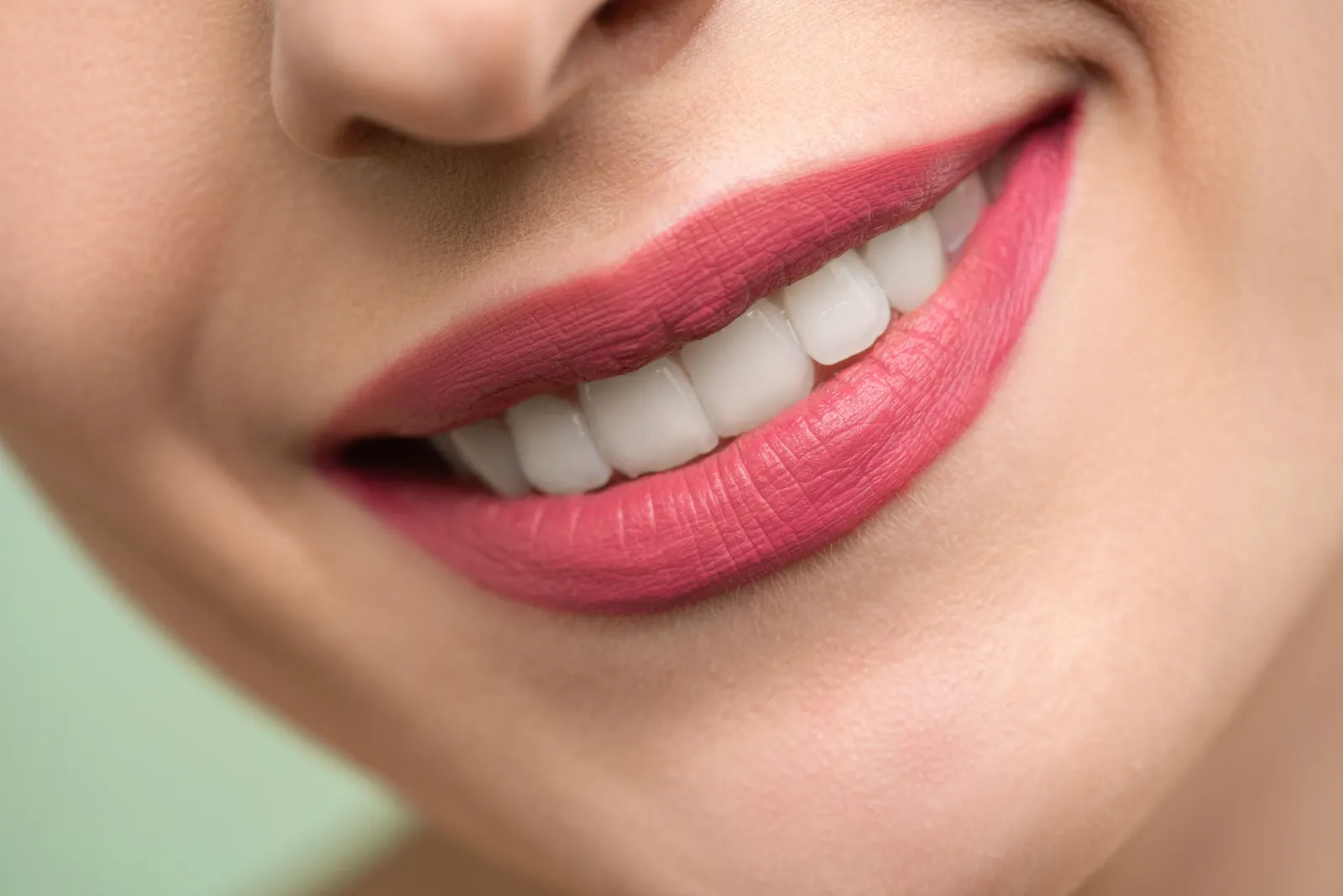 Illustrative image
The finish is decided with you
Shape and shade are adjusted with a preview mock-up before anything is permanently bonded.
Indicative price
The cost varies by material — composite or ceramic — and the number of teeth being treated.
See indicative pricesTailored financing
Cosmetic treatment can also be financed over monthly instalments.
Simulate a monthly paymentIllustrative example of the result
Frequently asked questions about veneers
With proper care — avoiding biting hard objects and keeping up regular check-ups — ceramic veneers usually have a long service life. The exact lifespan depends on the material and each patient's habits.
Composite is faster and more affordable, and can be polished or touched up easily. Ceramic offers a more stain-stable finish over time. The choice depends on the case and the budget.
It depends on the technique: some veneers require minimal enamel preparation, while in certain cases a very conservative preparation is possible. It's assessed case by case.
Ceramic is more stain-resistant than composite. Even so, regular hygiene and check-ups are recommended to keep the appearance over time.
In many cases yes, through photographs and a preview mock-up that approximates shape and shade before any tooth is prepared.
For mild diastemas it can be a suitable option; for larger gaps, orthodontics should also be considered.
Keep reading
Want to preview your smile?
At the assessment we'll show you an approximation of the result before deciding on the material.
Results depend on each patient's individual assessment.